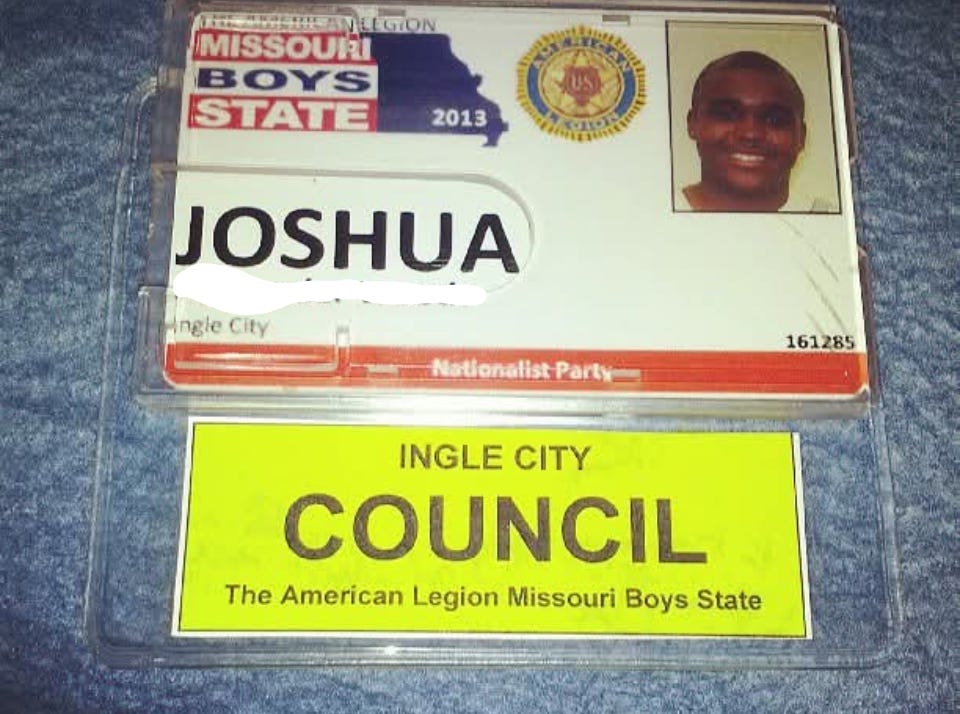
Between my Junior and Senior year of high school, I had the privilege of attending Missouri Boy’s State, sponsored by the American Legion.
The political parties were made up btw
Several states have their own variant, but the gist is the same. You assemble several 100 boys1 from across the state on a college campus, and you let them establish and run a mock government. From the MO Boy’s State website:
The American Legion Boys State of Missouri is an eight-day hands on experience in the operation and fundamentals of government. Using our democratic system as a basis, we equip the participants, or citizens, each year to construct their own state, utilizing the core values that hold true in our everyday lives. We teach the need for competition, the value of public service, the strength of the individual voice and vote. By reinforcing these basic American ideals, we help to shape the future of our society. This is what the American Legion Boys State of Missouri program is all about.
There were chaperones around to establish some broad boundaries, but they intentionally took a light touch. The point was to force us to figure things out amongst ourselves. As you can imagine, this descended into chaos pretty quickly. By the second day, a dorm window was shattered. By the fourth day, a “hot pursuit” ended with a chaperone’s leg broken. Still, amongst the chaos, basic social order managed to establish itself.
Thanks for reading Thoughts About Cities! Subscribe for free to receive new posts and support my work.
The first half of the day was spent in a “school of instruction” of our choosing, where professionals and academics doing the work, gave lectures about the work. When I was there, schools of instruction included things like Law Enforcement & Public Safety, Commerce, Legislative & Executive Policy, and Local Government & Policy (I chose that one). The second half of the day was spent applying the lessons learned to our mock society.
In my “town”, we held daily “council” meetings with an elected mayor and councilmen, where issues relevant to the town were discussed. One issue that recurred in our town was people not flushing the toilets (the dorm had communal bathrooms). After extended town discussions about how to catch the non-flushing offenders, and a few attempts to penalize suspected culprits, we’d made little progress. After a while, this discussion evolved into a phrase that became our town’s de facto mantra:
“Just flush the toilet 🚽”
Instead of trying to develop some resource intensive, overly complex, likely punitive system to identify and discipline the offenders, we established a shared understanding that if you encountered an unflushed toilet, just flush it. This courtesy extended beyond the toilet you may have just used. Notice a floater on the way to the showers or your preferred stall? Send it on its way, and save your neighbor the jump scare.2 With a critical mass of the population on the lookout, that sh*t disappeared as a problem in the city.
🛴Let’s Talk about the E-Scooters
About a decade ago, a bunch of tech start-ups dropped electric scooters in cities across the United States, and people absolutely lost their minds.
There were immediate calls to regulate these scooters, ostensibly on the grounds of accessibility.
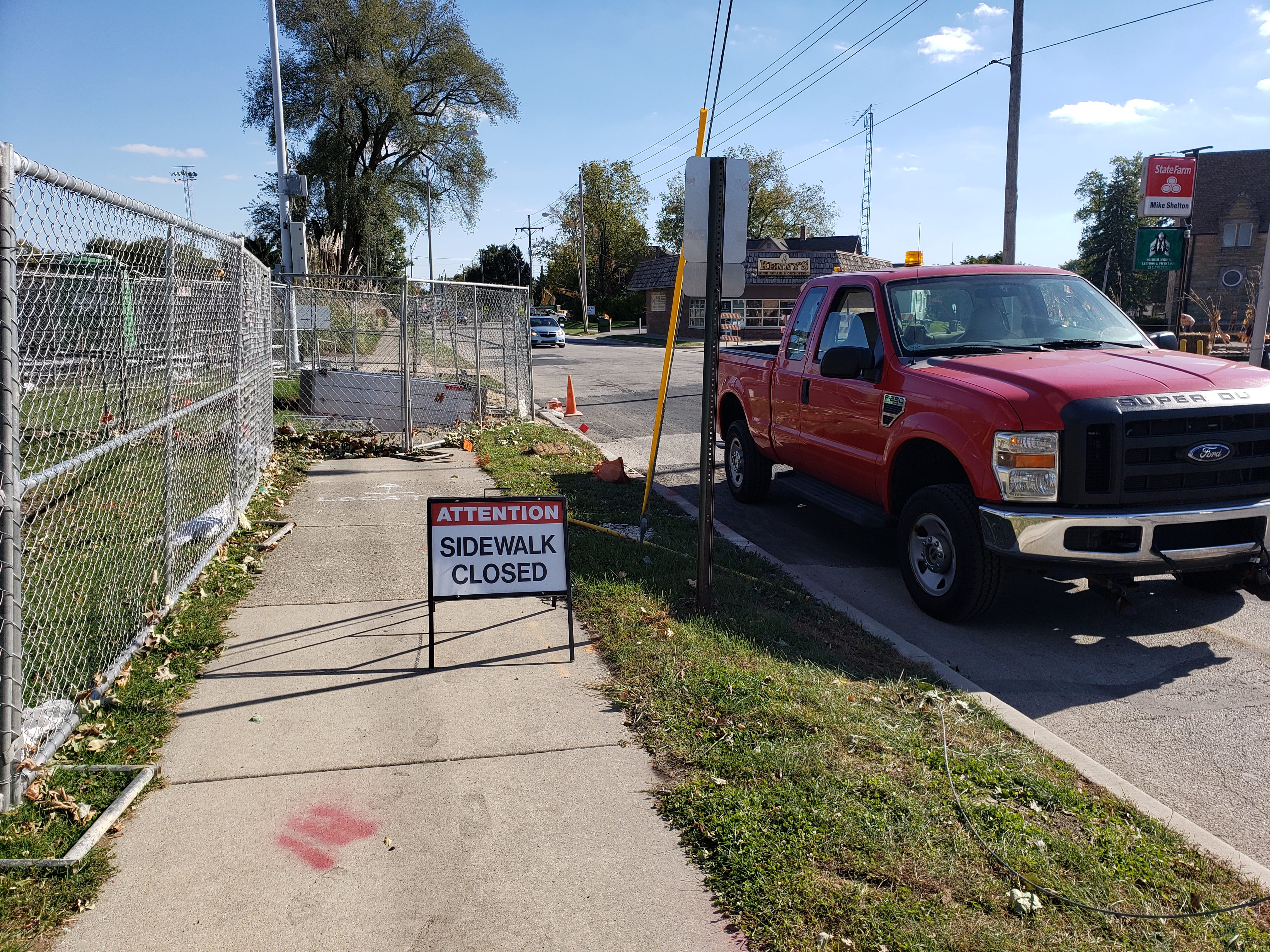
Personally, I struggled to see how a scooter was the primary accessibility concern within a network of discontinuous sidewalks, hit or miss curb cuts, and stuff like this…
…but I’m just some guy on the internet.
This argument, married with aesthetic concerns about “sidewalk clutter” gave cities across the country the cover they needed to aim their regulatory firehose at this new thing.
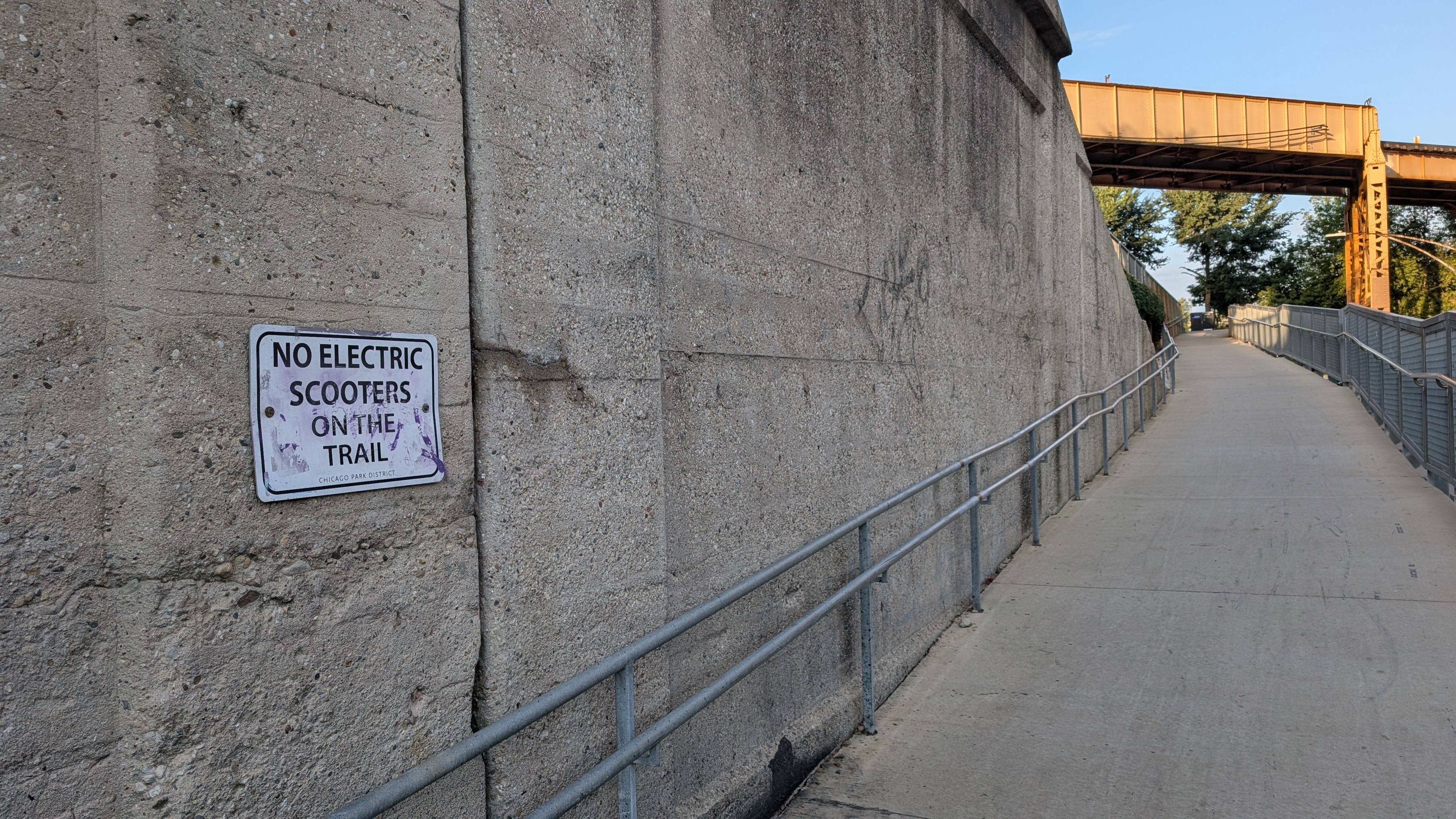
Several places outright banned the scooters. Others placed caps on the number of scooters any one operator could deploy, informed less by supply and demand, and more by whatever the regulator decided was the “appropriate” number. Other places required all the scooters to be collected at night and redeployed in the morning. Some places capped the max speed of the scooters and explicitly barred them on established trails throughout the city, which had the combined effect of ensuring scooters share road space with cars moving much faster than them.
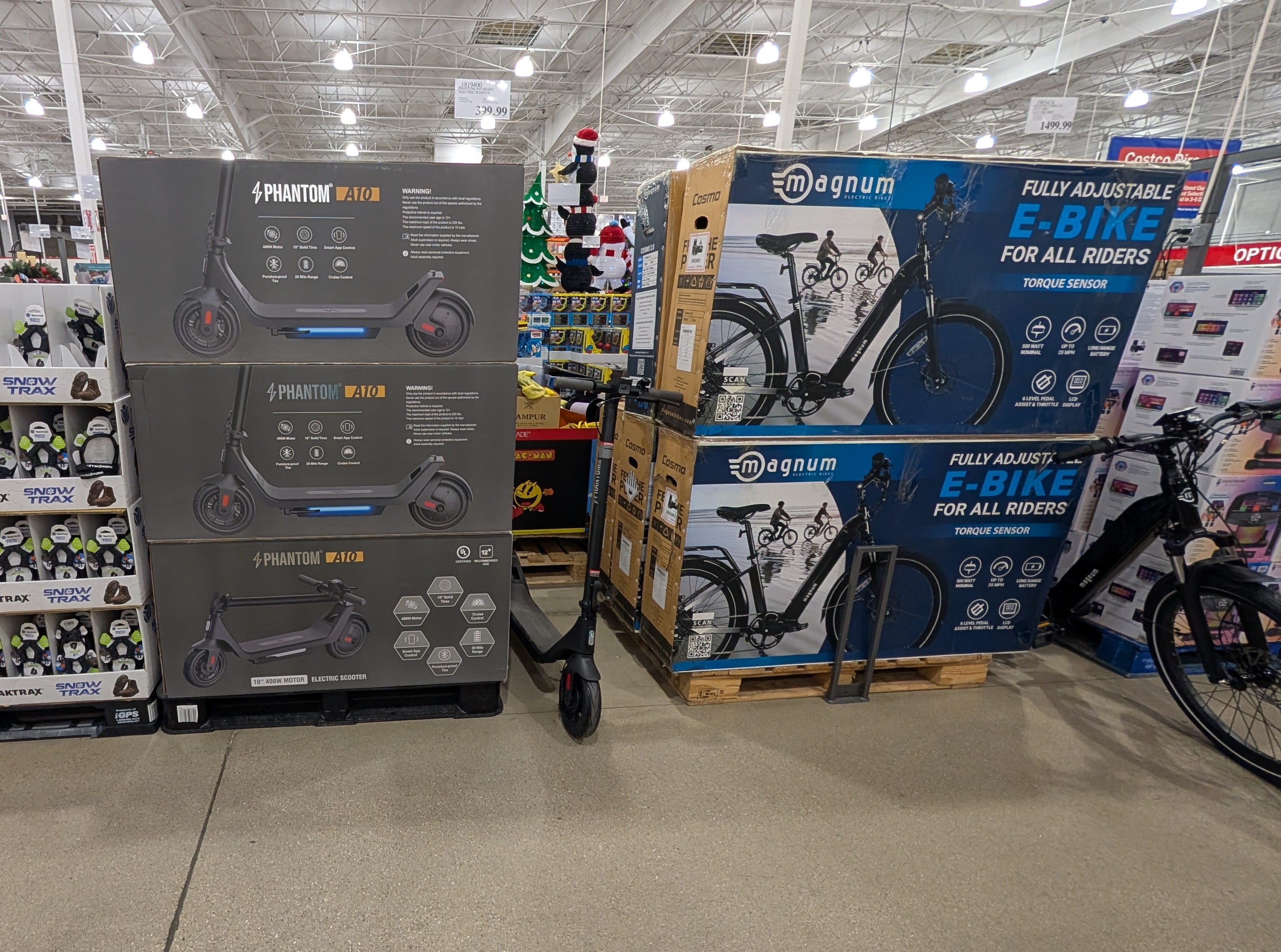
While some of these interventions may have been somewhat effective for reducing sidewalk clutter or improving accessibility, many were absolutely effective at making the scooters much less useful for somebody looking to get from point A to point B. For those that liked the concept of the scooter, but didn’t want to deal with all the rules, the answer was simple. Just buy your own scooter.
Ironically, the push to ban or limit the scooters likely cemented them into the mix of tools people use to get around.
From the outset the disposition was clear; these scooters are a problem, and the companies operating them need to fix it. In one fell swoop, a moral judgement was cast on a brand new thing, and the institutional power vested in local government set itself to action codifying that judgement. The potential benefit of a new way to get people where they need to go was completely lost in the effort to offload the potential political liability of a new thing.
Unfortunately, offloading political liability tends to distill down to blame. If you’ve been here for a while, you’re probably tired of hearing me say this, but it always bears repeating.
Blame is useless
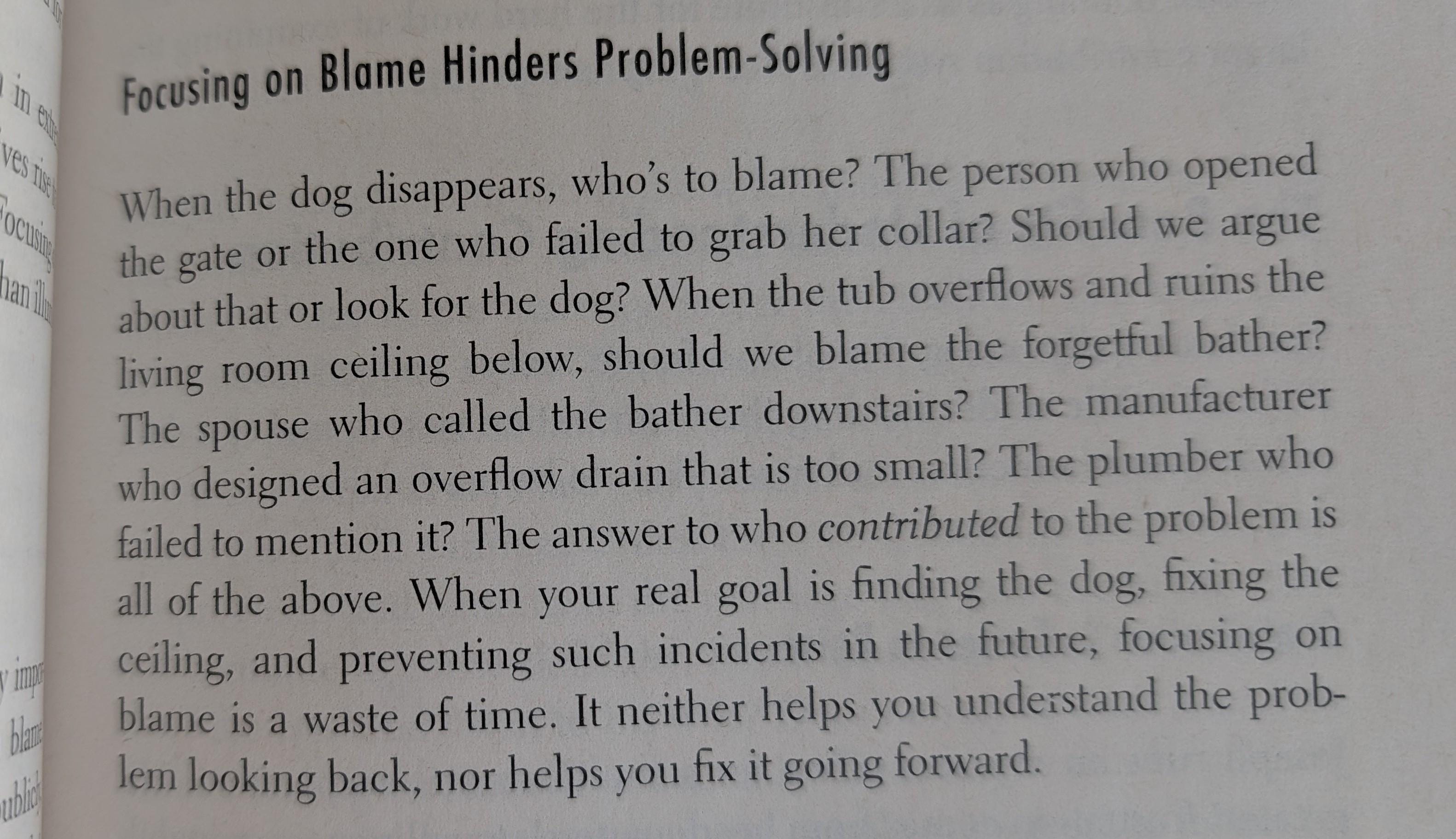
Blame doesn’t move us any closer to a solution, and more often than not, it actively distracts from the work of listening, learning and building mutual understanding. This excerpt from Difficult Conversations says it better than me
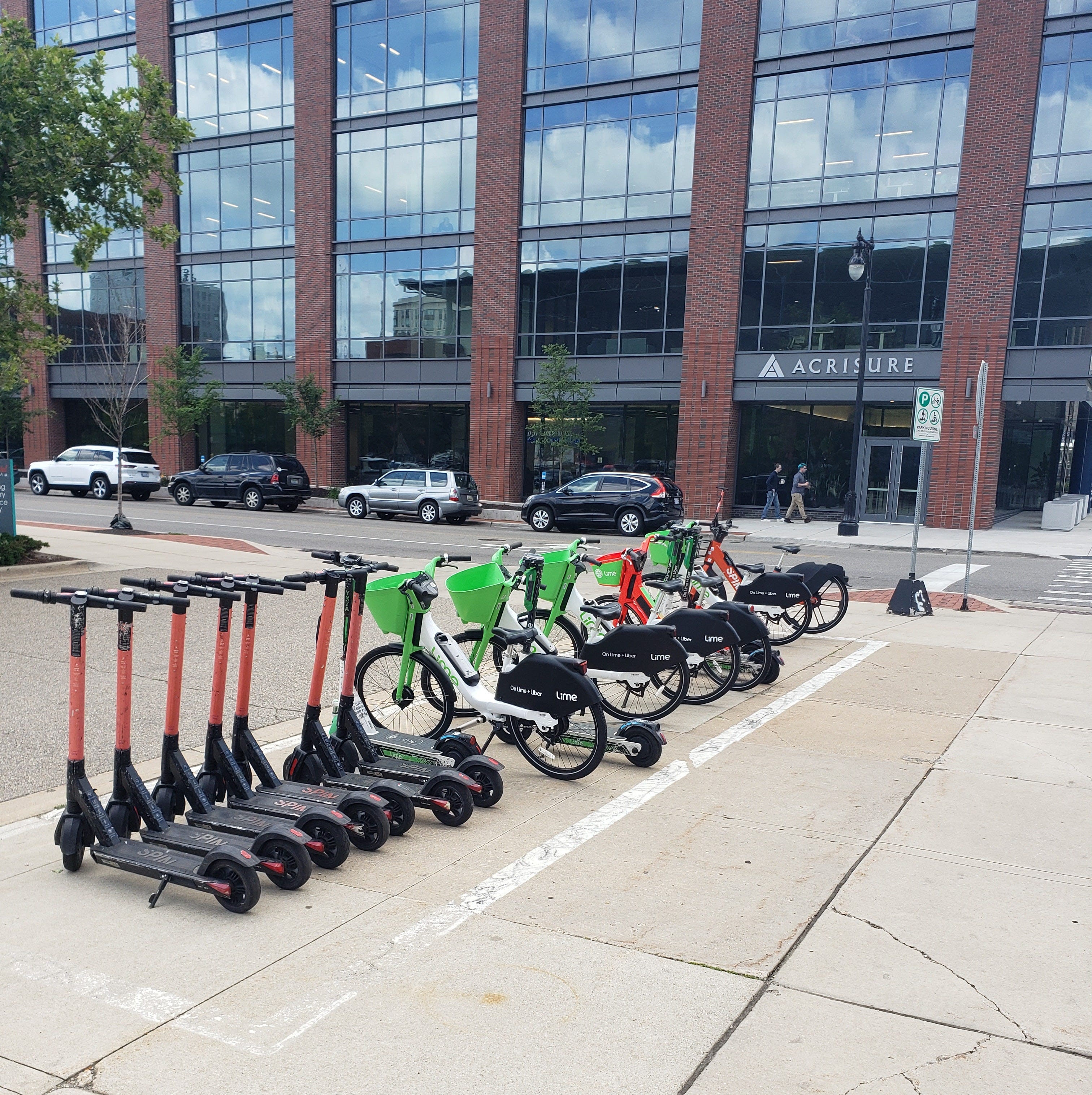
Places less interested in blame, and more interested in making room for this new mobility option did something revolutionary. They painted a box on the ground and said “park your scooters here.”
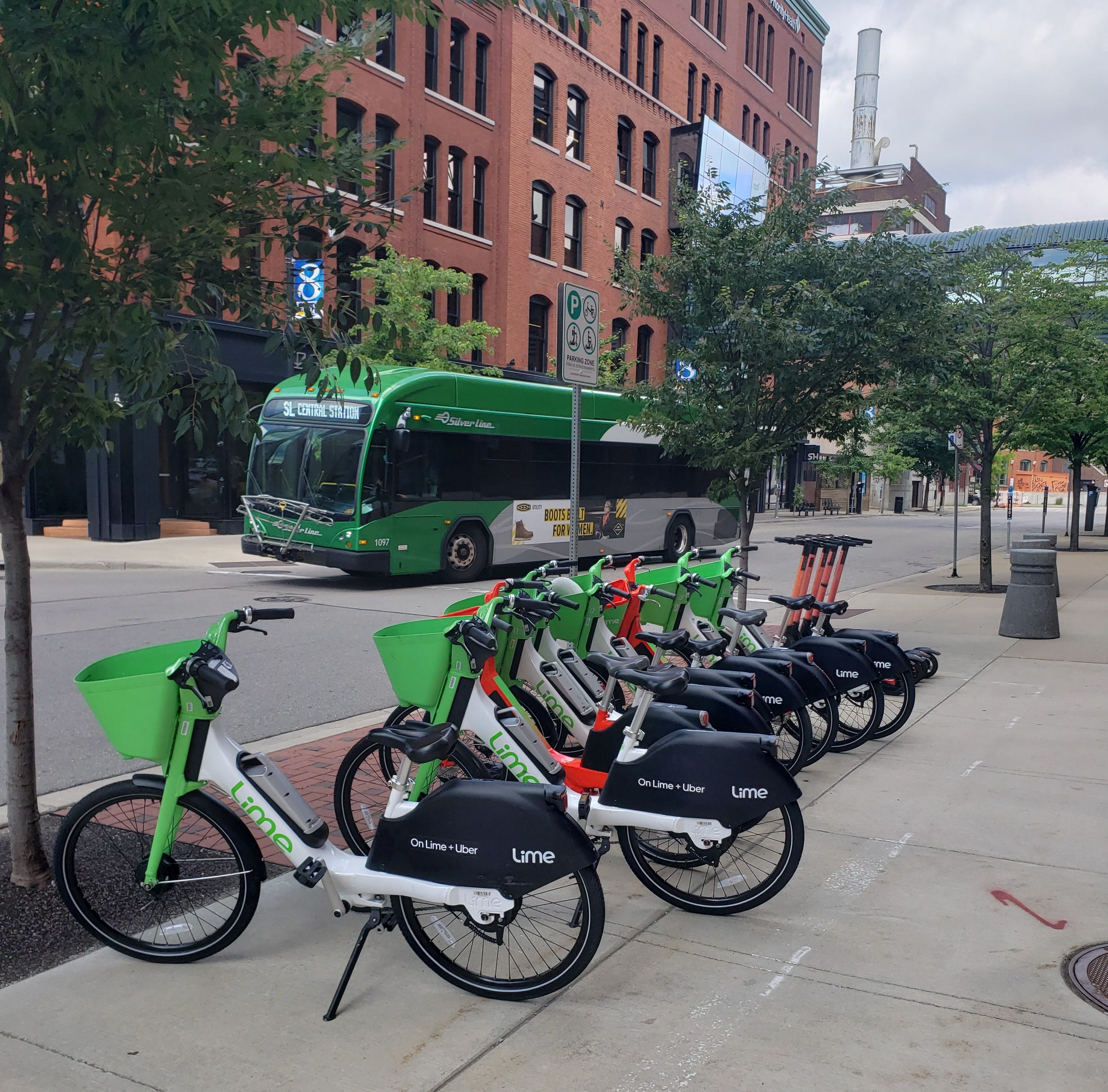
As the word about these fancy boxes got out, they started having the added benefit of serving as landing places for all forms of dockless micromobility.
Sometimes, these miracles of paint and concrete were placed near bus stops, creating these sorts of…hubs…for…mobility.3
At their most basic level, cities are just clusters of people doing whatever the hell, at varying levels of density. New, weird, quirky things are a natural output of a healthy city. People, with their diverse needs, skillsets and desires, come up with all kinds of random stuff. The work of regulating cities is finding ways to manage the real negative externalities of new things without squeezing the life out of the place altogether. This is a negotiated process that naturally results in some friction. Unfortunately, under the auspices of “local control,” we’ve replaced this negotiated process with top down rule making that functions primarily to preserve stasis and formalize the aesthetic preferences of whomever has captured the rule-makers. NIMBYism is the poster child for this, but the mechanics can be applied to any friction point with a loud enough mob behind it.
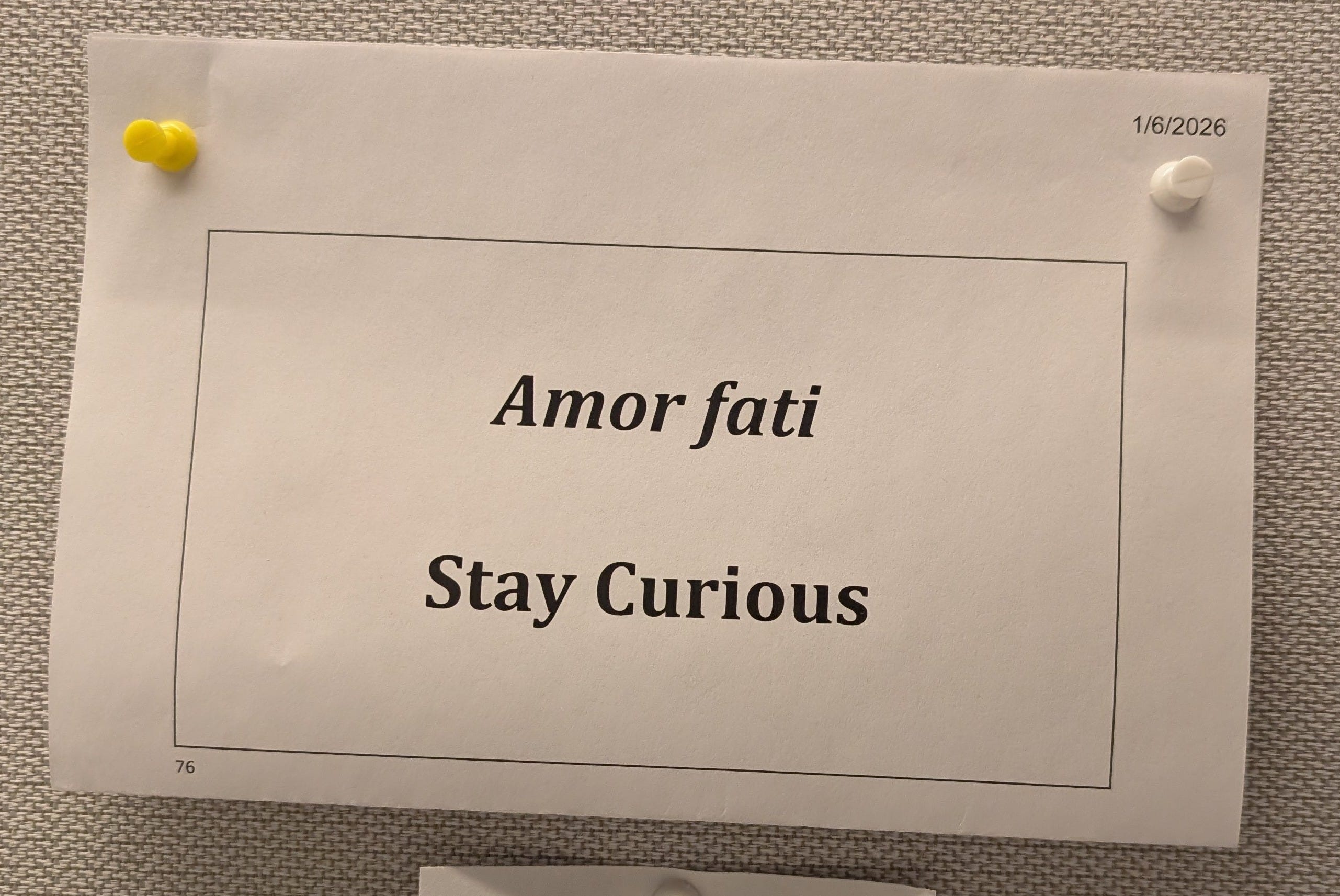
Amor fati is an often repeated phrase in stoic philosophy that translates to “love of fate.” It offers a reminder to embrace the inherent opportunity in whatever life presents you with. I think the spirit behind amor fati is necessary to think about (and meaningfully regulate), so much so that I’ve hung this sign at my desk at my past few jobs.
The beauty of cities lives in the ideas that come from the people within them. When we preemptively decide which ideas are good or bad, and codify those assumptions into policy, we threaten to snuff out the best parts of cities.
So, what should we actually do when somebody leaves a scooter blocking the sidewalk?
When I encounter an improperly parked bike or scooter, I’m reminded of the Strong Towns approach. That is, to find the next smallest thing to address a challenge, and do that thing. Sure, I could mentally chide the person that parked the thing like a dumbass, or run to my local elected official to complain about how much of a scourge these scooters are, but what does that actually accomplish? In the same amount of time, I could just move the scooter out of the way, so if someone with a disability (or a mom with a stroller, or somebody pushing a grocery cart) comes through, they can get to where they need to go. In short, just flush the toilet 🚽.
📚 Explore My Bookshop Wishlist If you enjoy my writing and want to support it in a small but meaningful way, consider buying me a book from my Bookshop.org wishlist. It’s a curated list of books I’ve been looking at but haven’t had gotten around to reading. Help me read more books! 🙏🏽
Eventually, this morphed into shouting “thank you” whenever you heard a toilet flush, which was kind of weird in hindsight, but it reinforced the behavior of flushing, so I’ll call it a win





Hey I was a Boys Stater back in Oklahoma! Good times.