
Innovation, Between The Taquitos and The THC Beverages at NACS
A stroll through NACS, the convenience store industry’s biggest trade show, and what it reveals about how innovation actually happens.
Last weekend, fortune graced me with floor tickets to the National Association of Convenience Stores (NACS) annual trade show hosted at McCormick Place1. After attending the show, the most similar experience I can relate it to was the first time I went to Disneyworld. I was a Nickelodeon kid growing up, so I don’t carry much nostalgia for Disney.2 Experiencing the park firsthand, I was less captivated by the mascots, and more with how big the damn park was. Within its 39 square miles, there are four theme parks, two water parks, four golf courses, 19 Disney owned resorts, and tons of non-Disney resorts. I got whispers of that same vastness at NACS.
The conference rotates between Chicago, Vegas, and Atlanta, mostly because these are the cities with convention centers large enough to support the show. The convention planners stand up 11 bus routes to get people to and from McCormick Place. Who fills the aisles and ballrooms of this conference? Sales reps from any brand that sells, or hopes to sell anything to, or in, gas stations and convenience stores, armed with boxes full of loss leaders (free snacks). What are they there for? To expose their brand to new customers and markets across the United States. Put simply, free samples of every gas station snack you looked at but decided against ever, plus a bunch of new and experimental products that would put Willy Wonka out of business3.
If you’ve ever driven I-55 in Illinois between Chicago and Springfield, you may be familiar with the massive Wally’s in Pontiac IL. That Wally’s has about 30,000 square feet of retail space, making it 6-12x larger than your typical convenience store. NACS takes up over 1.25 million square feet.
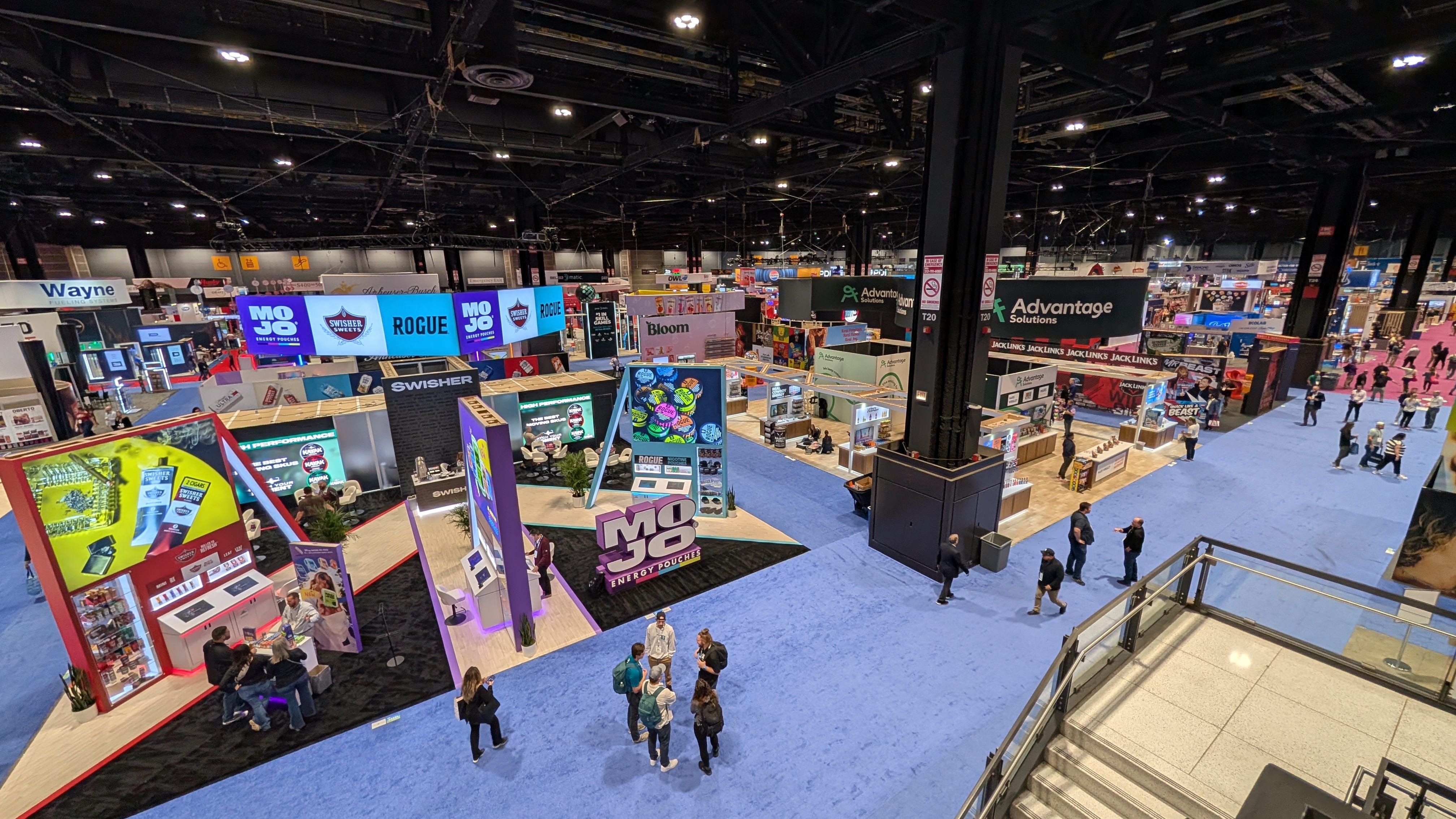
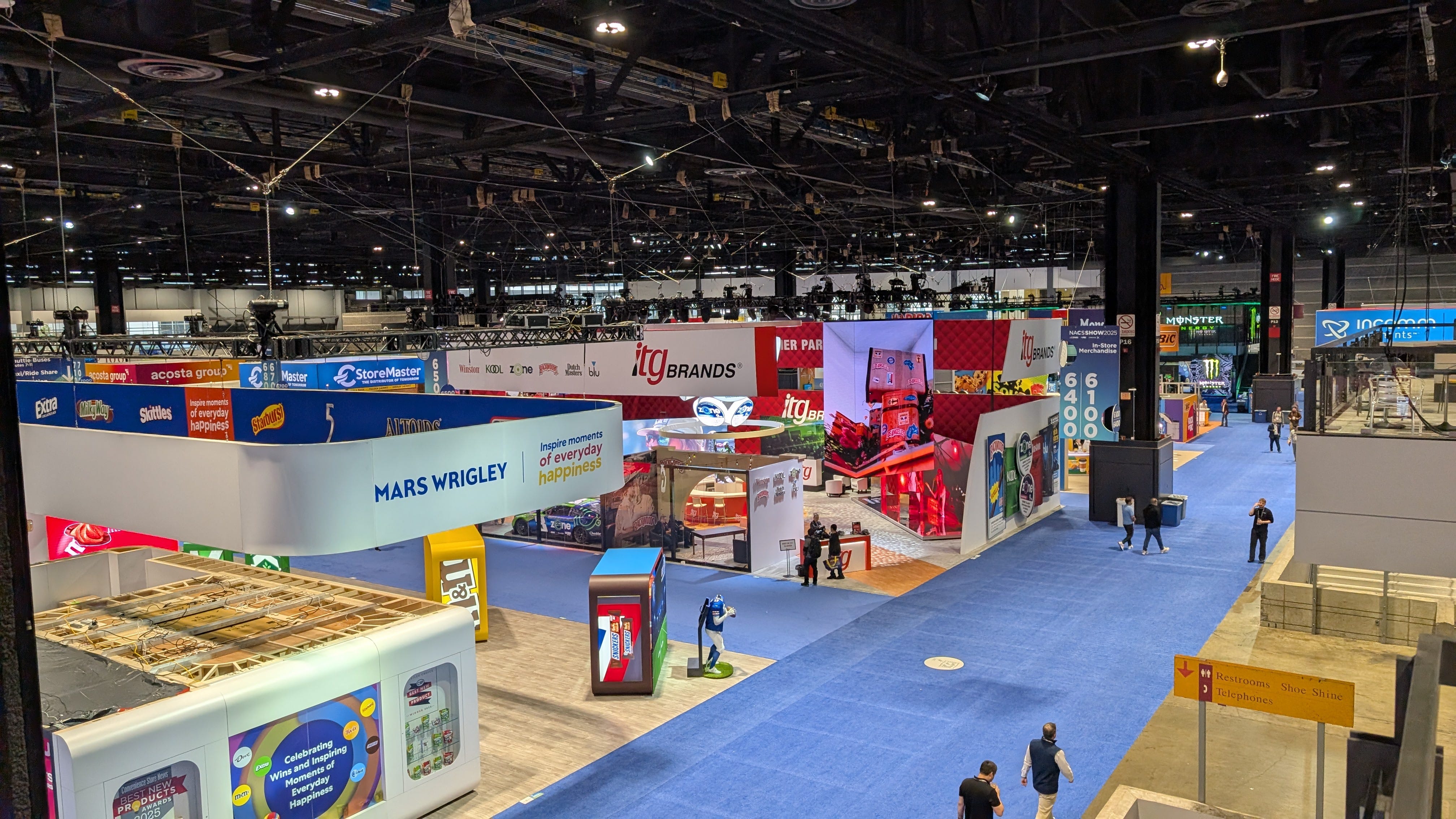
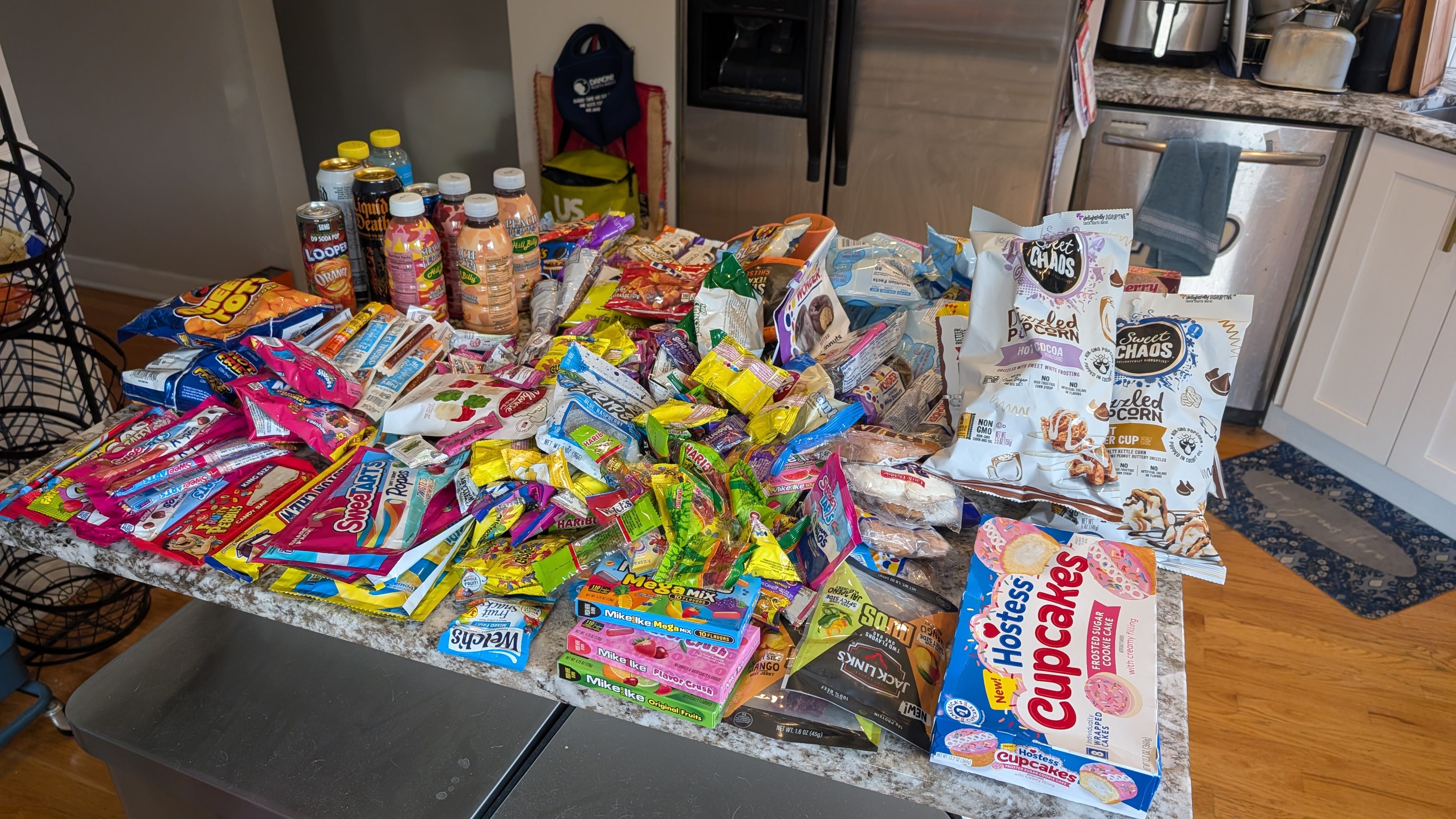
As I meandered the show floor, stopping to grab a taquito here or a piece of Krispy Krunchy Chicken there, something that stood out amongst the booths was the degree of experimentation the brands were engaging in. In public transit, as well as the public sector generally, we talk a lot about innovation, but I’m not always convinced we actually get it. In our definition of innovation, there seems to be a strong belief that innovation sits downstream of the perfectly laid plan, and if we do the pre-planning work just right, innovation will emerge naturally. This feels, to me, like a comfortable self delusion.
“the world doesn’t just happen to us; we happen to the world. and maybe that’s why i care so deeply about doing it right.
that care is genuine, but underneath it sits a truth no amount of thinking can undo. the point of life isn’t to make the perfect decision. it’s simply to make one. period. to trust your gut and act from the rawest place inside you. to move before you’ve thought it over for ten hours, made three lists, and consulted every available source”

While there are some prerequisites for innovation to emerge like fostering environments where people know they can share their wildest ideas without being dismissed, belittled or laughed out of the room, innovation is much messier than any plan. Innovation is the output of doing, not planning to do. It requires active iteration through the following four steps:
Producing an idea
Implementing the idea
Observing how the idea works in the real world
Adjusting course as necessary
The more times you can do that, the more likely you are to stumble onto innovation4.
The action of innovation was on full display at NACS. Not the caricature of innovation that falls downstream of workshopping an idea within an inch of its life, but active innovation borne from throwing spaghetti at the wall and seeing what sticks.
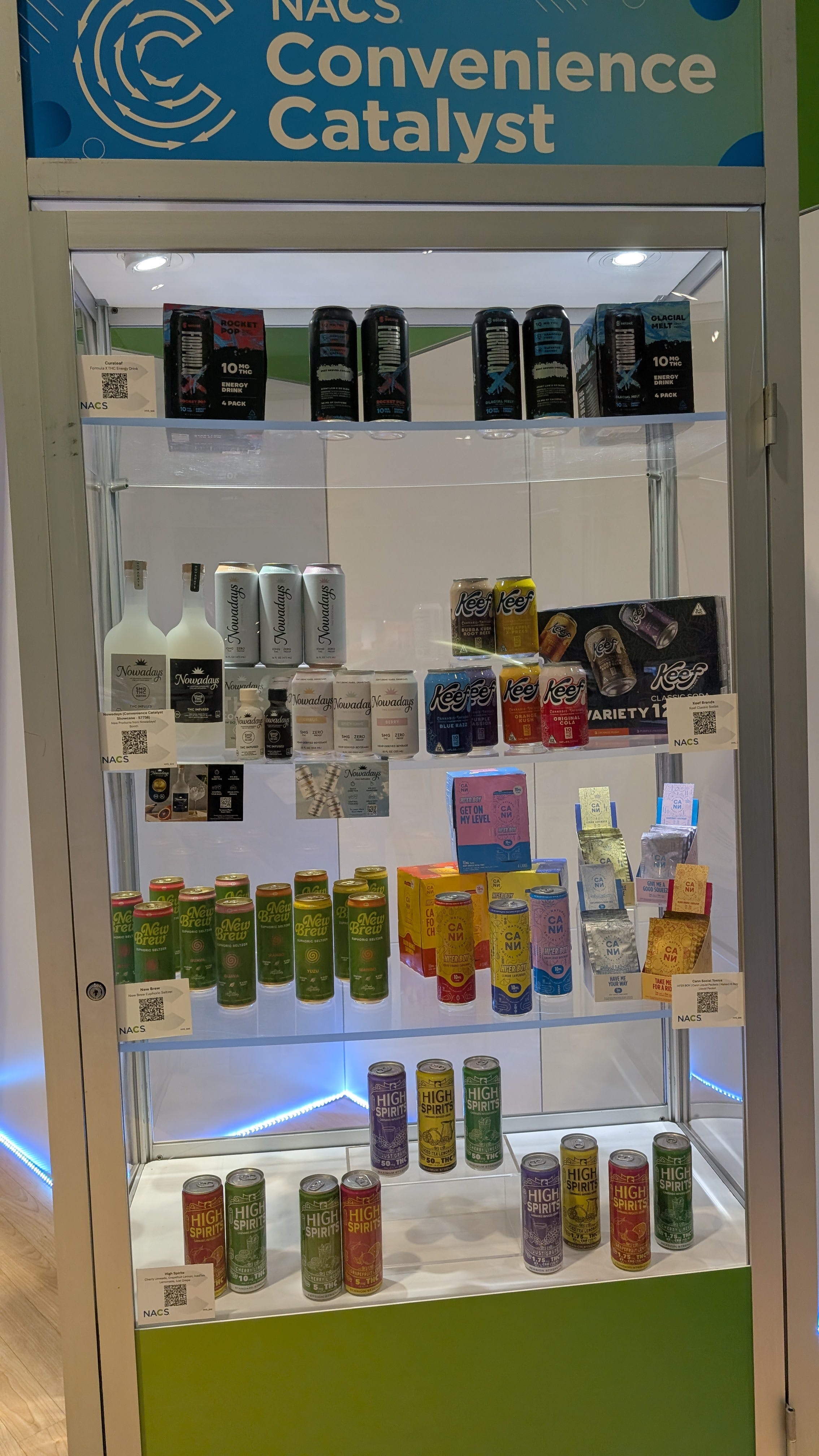
Consumers are super into protein and fiber right now, so vendors were debuting drinks, snacks and supplements packed with enough fiber and protein to keep the most gains-oriented gym bro regular. Consumer preference has been shifting towards chicken for the past few years, so Slim Jim was practically throwing chicken sticks at me near the end of the event. There was even an entire section dedicated to THC beverages. In 2022, the share of American who 🍃 daily surpassed the number who have at least one drink a day, so THC infused beverages have been on a rip, often finding creative ways to traverse the regulatory grey area this nascent industry sits in.
But What About Failure?
The rub with innovation is, if you’re trusting the process and actively iterating on ideas at a reasonable clip, you’re pretty much guaranteed some flops along the way.
What differentiates active innovation from its imitators is how it handles the flops.
The public sector is often given the dual mandate to be innovative, but also to take as little risk as possible. These contradicting mandates create the conflict at the heart of the planning heavy caricature of innovation typically pursued by the public sector. In the public sector, when agencies do take risks, the flops are often branded as failures that waste tax payers’ money. This backlash often prompt agencies to respond with increasingly burdensome policies aimed to ensure nothing like the flop can ever happen again. The catch is, these guardrails, ostensibly put in place to prevent the flop, have a tendency to categorically box out any positive outcomes that may follow a similar trajectory to the flop, if they don’t get in the way of progress altogether.
In public transit, safety is often a common defense for these types of policies. At a transit authority I worked at, the safety trainings defined safety as “freedom from risk,” and advised drivers to avoid any activity that could invite risk. Sound enough policy on paper, but reversing the bus was explicitly listed as a risky activity. The safest choice, per the policy, was to never back up. If a driver needed to back up, the formal procedure was to call dispatch and have them send a supervisor out to assist with the backing the vehicle. This property did not have a full time road supervisor, and the largest vehicle they operated was a 30’ cutaway bus.
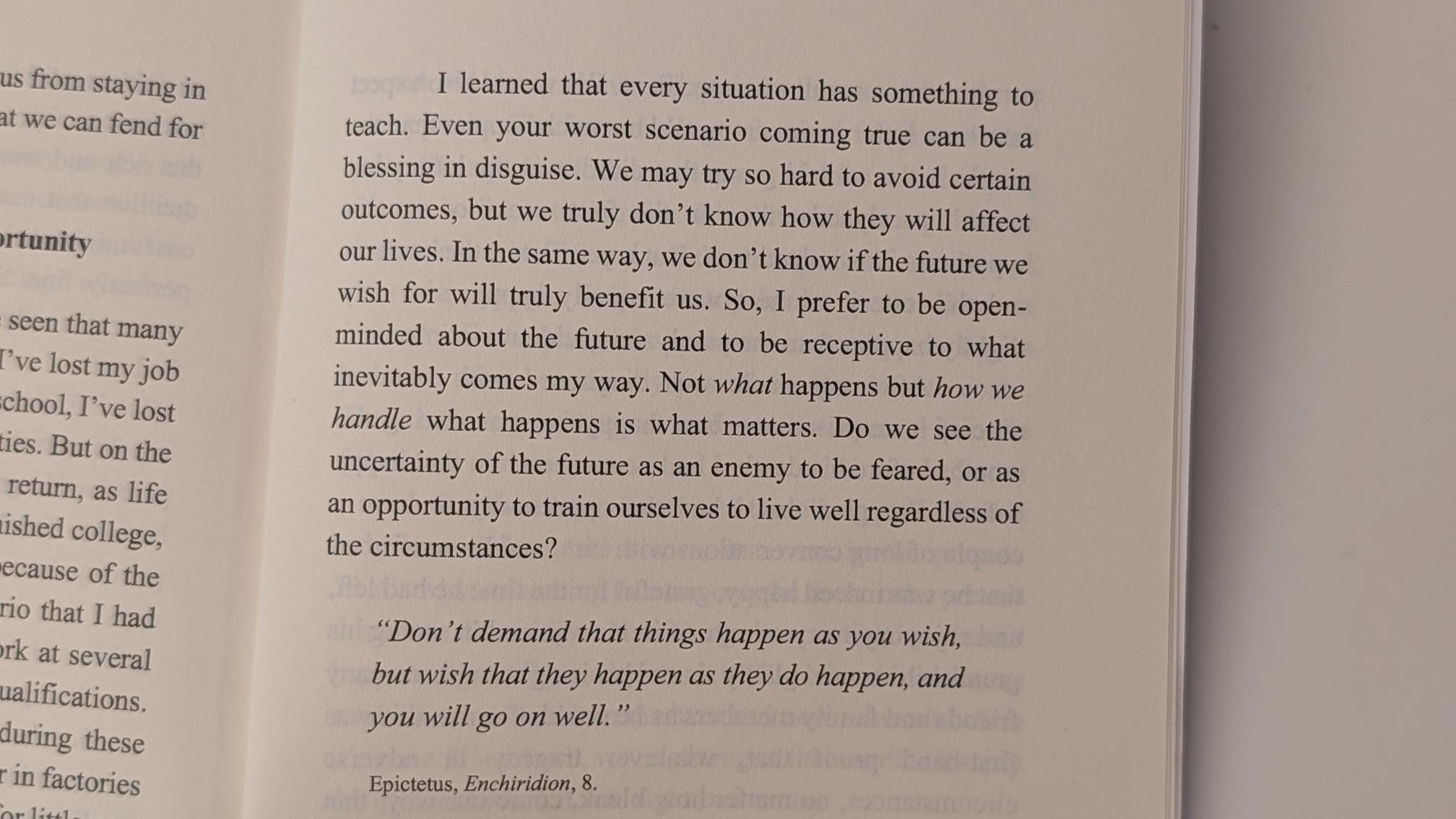
Active innovation doesn’t view flops as preventable failures, it sees them as inevitable opportunities to learn and grow. This excerpt from Stoicism for Inner Peace offers a constructive perspective for dealing with the flops.
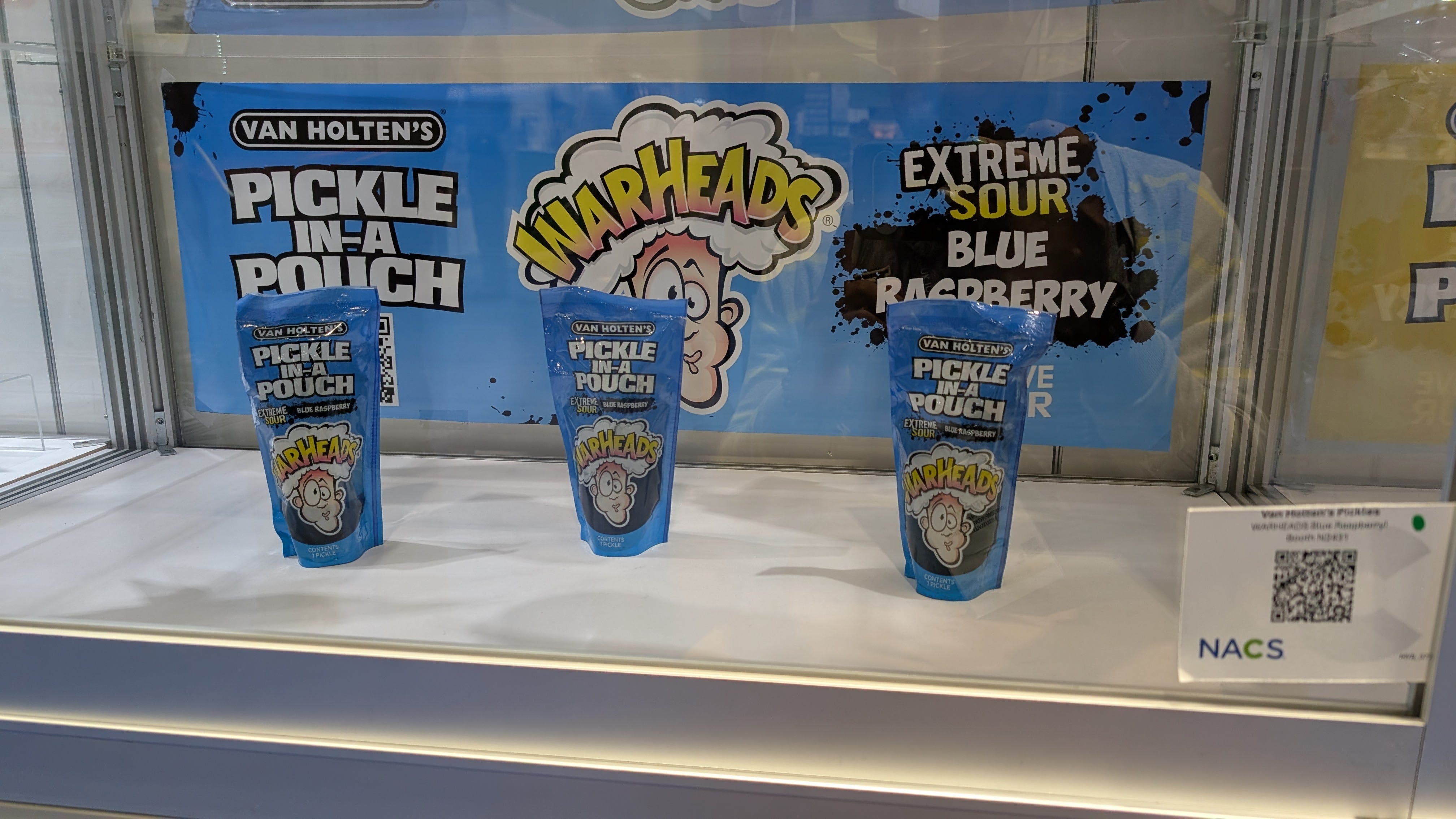
What’s so diabolical about sour Warhead flavored pickles?5 Is there another flavor that might be more successful, or is the concept fundamentally flawed? Active innovation recognizes flops as a feature of innovation, not a flaw. Whoever made that blue pickle monstrosity will probably be back at NACS next year. Maybe with a pickle flavored warhead this time,6 or maybe with an entirely new product altogether, but they will be back. They know that innovation is the output of constantly creating, implementing, observing and adjusting ideas.
What Does Innovation Look Like in Public Transit?
Discussions around innovation in public transit often revolve around autonomous vehicles, technology enabled transportation modes like microtransit, and whatever podcar concept is making its rounds on the internet. While conversations on these topics can be helpful for inspiring open ended thinking about what public transit is, they can crowd out more basic ways transit agencies can be innovative.
Most transit agencies divide the year into 3-4 month bid periods, with schedules being tweaked and work reassigned each bid period. Each new bid period represents a natural opportunity to practice the action of innovation. Is your agency getting request to serve a new apartment complex just beyond the reach of an existing route? Don’t wait for a fancy planning study modelling the potential ridership associated with extending the route to the apartment complex before making a decision. Look into the requests, assess their merit, and if they pass the sniff test,7 just implement the extension during the next bid period and see how it goes8. If it’s a flop, figure out why it flopped. Did riders (and bus drivers) know about the change? Is the bus stop accessible? Does the apartment complex know about the new bus service? The goal is to figure out what did and did not work well, to inform the next experiment. If, after engaging in that inquiry, it’s determined that the route really is just a dud, that’s fine. Maybe the complex is super amenity rich, so people don’t leave much. Restore the old routing and reallocate those resources to testing the next idea. If the extension is a roaring success, congratulations, you just found an innovative solution to meet you passengers’ mobility needs.
🎼The Spirit of Innovation, by Ravel
In my mind, nothing quite captures the spirit of innovation like Maurice Ravel’s Bolero. This song repeats the same musical theme over and over, adding a new instrument into the mix each time. Gradually, the theme, while maintaining the same general structure become more layered and complex. Each iteration is musically similar, but distinct from the last. As the piece continues, it gets increasingly more intense, building tension until it eventually collapses onto itself. Listening to Bolero on repeat brings to life what active innovation is supposed to feel like. After the collapse, all that left to to is pick up the pieces, and hop back on the treadmill. Innovation stops when you let a flop prevent you from picking up the pieces and starting the whole process all over again.
📚 Buy me a Book 💚
Thanks for reading! If you enjoy my writing and want to support it in a small but meaningful way, consider buying me a book from my Bookshop.org wishlist. It’s the books that I want to read, but have not quite pulled the trigger yet!
Cheers!🥂
My nephew’s marching band was performing there.
I’m pretty sure there wasn’t a chocolate river, but I very well could have missed it
If these are actually good, please let me know. I didn’t dare try it
Wait, that might actually slap
Extending a bus route to an apartment complex almost always passes the sniff test
Make sure you leave the service out there long enough for riders to notice and adjust to it
Do we really have "convenience stores" in the US? Most of them seem inconvenient to me.
It seems that transit planners are fixated on 'traffic generators'. But they are totally blind to what could be a traffic generator. A university, hospital, or sports facility is a traffic generator.
But what about restaurant areas, or night time entertainment venues?
The most blatant example of this that I can rant about is a section of north River Road in River Grove.
Are you going to tell me with a straight face that Gene's and Jude's Hot Dog stand IS NOT a traffic generator? A restaurant that has a line outside the door throughout the day?
Look how close it is to a C.T.A. route. Some route #77 Belmont buses could be extended to Grand and River Road. Or would a better experiment be to have a separate looping route via Cumberland|Thatcher, Grand, River Road, and Belmont? Notice this would also serve the Hala Kahiki Tiki Bar, the River Grove Metra Milwaukee-West District station, and the bars and restaurants between the RR crossing and Grand Ave.? These are not 'traffic generators'?!
I bet an agency could encourage River Grove to even kick in some money for it.